4 Things to Consider About Dental Bonding
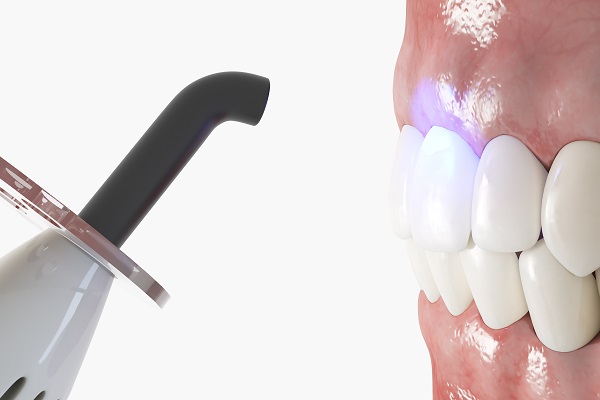
Dental bonding is ideal for patients who want a non-invasive and less permanent solution (compared to veneers) to improve their smile. Dental bonding can fix a range of cosmetic issues, including teeth stains, damaged teeth, and short teeth. This guide provides you with the information that you need to decide if dental bonding is right for you.
Things to know before dental bonding treatment
If a patient is not sure about dental bonding treatment or has anxiety before beginning the treatment process, then it is helpful to have more information about what dental bonding is and the benefits of treatment. The following are four important things to know about dental bonding.
The purpose of dental bonding
Dental bonding involves applying amalgam or composite resin material to a tooth with cosmetic imperfections. This is done to improve the appearance of the tooth and protect the tooth from harm. Dental bonding is a more affordable alternative to dental veneers for many patients, and it is also reversible, unlike veneers, which require removing a small amount of enamel. While dental bonding can improve oral health and function, its primary purpose for most patients is to improve their smiles.
When dental bonding is used
There are certain times when dental bonding is more appropriate than other methods of treatment, depending on the patient’s preference, the severity of their concern, and their budget. Dental bonding is primarily used to repair minor imperfections with more visible teeth. The most notable concerns that dental bonding can address include:
- Chips
- Cracks
- Stains
- Short teeth
- Worn-down teeth
- Uneven teeth
- Gaps
Dental bonding is most often used for minor to moderate concerns, whereas more severe issues require an extensive treatment procedure. Bonding is not as durable as dental veneers, so they may not be preferable for patients who want the most durable option possible. However, they are still durable and offer a more cost-effective solution.
The benefits of dental bonding
Dental bonding can, of course, improve your smile. It can also protect teeth from further harm if they are damaged, decayed, or stained. Bonding is more affordable than veneers and still provides a high level of quality and durability. Since the dentist can apply the bonding material to meet the patient’s precise needs, they can address a range of cosmetic concerns. This treatment also does not require the removal of dental enamel.
The disadvantages of dental bonding
Dental bonding uses a composite resin material that is not as strong as the porcelain used with veneers. Bonding is also not typically recommended for moderate to severe concerns, in which case, a dental crown or veneer may be better options.
Find out more from our dental professionals during a consultation
We encourage you to reach out to us today if you would like to improve the appearance of your smile with dental bonding or another cosmetic treatment solution. We are glad to answer any additional questions that you may have and to guide you on your journey to an improved smile.
Request an appointment here: https://www.biancodentistry.com or call Dental Health Associates, PC at (503) 862-3270 for an appointment in our Portland office.
Check out what others are saying about our dental services on Yelp: Dental Bonding in Portland, OR.
Related Posts
Chipping needs dental bonding so that the tooth can regain its proper structure. Trauma and decay are the most common causes of dental chipping. Both cause the tooth to weaken and break easily. Your dentist must use this treatment to correct the damage right away. Here are the details on using dental bonding to repair…
Dental bonding and dental filling both restore the smile. In essence, the restoratives are one and the same— the difference between them lies in when a dentist recommends them. Dentists most commonly use fillings to restore functionality to the teeth by filling cavities, while bonding is usually for cosmetic purposes. Either way, the result will…
Dental bonding is extremely versatile. Dentists use it for cosmetic reasons or to improve the overall functioning of a tooth or teeth. Take a closer look at what this procedure is and the conditions it addresses.Dental bonding is a procedure that uses composite resin material to build upon a tooth so that it may look…
Your dentist can perform dental bonding in the clinic. This is a quick treatment that can restore your teeth’s healthy appearance. It could be the solution you need for your current dental issues. You should consider the following cosmetic benefits of dental bonding.The dentist needs to shave off a layer of enamel for treatments like…