Common Treatments Used in Adult Orthodontics
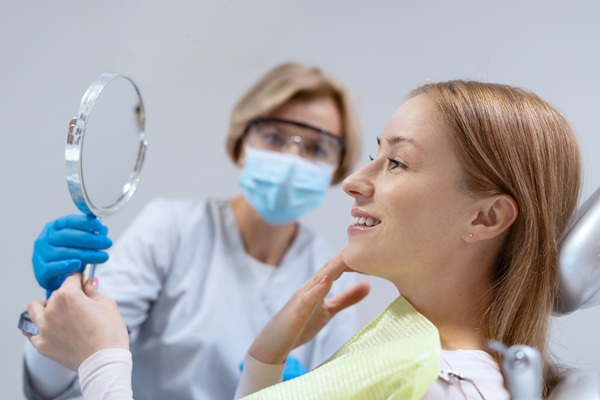
Adult orthodontics has become an increasingly popular solution for individuals looking to improve their oral health and the smile's appearance. Dental professionals offer a variety of treatment options to address the unique needs of adult patients. The following guide will explore the most common treatments used in adult orthodontics, highlighting their benefits and effectiveness in achieving optimal results.
Adult orthodontics treatment options
Traditional metal braces
Traditional metal braces are common in adult orthodontics due to their effectiveness in correcting complex dental issues. These braces are metal brackets affixed to the teeth and connected by archwires. Periodic adjustments ensure steady progress toward proper alignment. Despite their visibility, modern metal braces are smaller and more comfortable than the metal frames and brackets used in the past, making them a viable choice for adults with significant alignment issues.
Ceramic braces
Ceramic braces offer a more discreet alternative to traditional metal braces. These braces utilize tooth-colored or clear brackets that blend with natural teeth, making them less noticeable. While ceramic braces are similar in function to metal braces, they are often favorable to adults concerned about the visibility of the brackets and wires. However, they often require more diligent cleaning to prevent staining and may not be as durable as their metal counterparts.
Lingual braces
Lingual braces offer another discreet option for adults seeking orthodontic treatment. These braces are similar to traditional metal braces but are placed on the inner surfaces of the teeth, making them invisible from the front. Lingual braces are effective for a range of alignment issues and are customized to each patient's unique needs. However, these braces often require an adjustment period as patients adapt to them and the potential effects on their speech patterns.
Clear aligners
Clear aligners provide a virtually invisible treatment option for those looking to undergo orthodontic treatment without the visibility of traditional metal braces. These custom-made, removable trays gradually shift teeth into their desired positions. Clear aligners are particularly appealing to adults due to their convenience. Patients can remove them for eating, brushing, and flossing. Clear aligners are typically common for mild to moderate alignment issues. However, patients need to be committed to wearing them as prescribed — 20 to 22 hours — for successful treatment outcomes.
Accelerated orthodontics treatment
For adults seeking quicker results, accelerated orthodontics (AO) may be an option. This approach combines traditional orthodontic treatments with procedures designed to speed up tooth movement. Techniques such as photobiomodulation, micro-vibration, and soft tissue treatments can help reduce treatment time.
However, those with more severe cases of misalignment may not be able to undergo this type of treatment. The dentist or orthodontist will evaluate each patient's case to determine whether accelerated orthodontics is a suitable choice for their unique needs and goals. It is also important to note that AO is typically more expensive, as most dental insurance policies do not cover it.
Surgical orthodontics
For patients with severe jaw irregularities or misalignments, surgical orthodontics may be necessary. This treatment combines orthodontic care with oral surgery to correct complex issues that are not treatable with braces or aligners alone. Surgical orthodontics can help address difficulties with chewing, speaking, or breathing due to structural issues in the jaw.
Choosing the right treatment
Selecting the appropriate treatment in adult orthodontics involves a thorough evaluation by a qualified orthodontist. A patient's treatment option will depend on the following factors:
- Severity of alignment issues
- Age-related concerns
- Presence of previous dental restorations
- Missing or damaged teeth
- Untreated oral health issues
- Lifestyle habits and preferences
Factors such as the severity of alignment issues, lifestyle preferences, and treatment goals are considered during the consultation process. Orthodontists provide personalized recommendations to help patients make informed decisions about their care.
Adult orthodontics aftercare
After adult orthodontics treatment is complete, it is important for patients to follow a robust aftercare structure to maintain their results and protect their time and investment. Dental professionals often recommend regular dental check-ups, good oral hygiene practices, and consistent retainer use.
Retainers are oral appliances that help patients maintain the results of their adult orthodontic treatment. Fixed and removable retainers are commonly used in adult orthodontics to prevent teeth from shifting back to their original positions. This is also known as retainer relapse. In many cases, patients may need to wear a retainer for the rest of their lives to preserve their results or as a standalone treatment for minor adjustments.
Find a treatment option that works for you
Adult orthodontics offers a variety of effective treatments tailored to meet the unique needs of adult patients. Are you ready to find the right option for your needs? Call Dental Health Associates, PC at our Portland office to learn more or to schedule a consultation.
Request an appointment here: https://www.biancodentistry.com or call Dental Health Associates, PC at (503) 862-3270 for an appointment in our Portland office.
Check out what others are saying about our dental services on Yelp: Orthodontics for Adults in Portland, OR.
Related Posts
Your dentist can perform dental bonding in the clinic. This is a quick treatment that can restore your teeth’s healthy appearance. It could be the solution you need for your current dental issues. You should consider the following cosmetic benefits of dental bonding.The dentist needs to shave off a layer of enamel for treatments like…
If you want to protect your smile and, more importantly, your mouth, gums, tongue, and throat, you have to make sure you have a great oral hygiene routine. It can be difficult to figure out what you should be doing each day and how often with all the different advice. We all know we should…
Dentists can restore the appearance of a patient’s smile with dental bonding. This tooth-colored resin also preserves the structure of a minorly damaged or decayed tooth. Dental bonding restores and strengthens the tooth and makes it more aesthetically appealing to the eye.Dental bonding is a composite resin material color-matched to each patient’s smile. This allows…
Tooth decay can cause a variety of symptoms. Whether you have been dealing with a toothache or have noticed a pit in your tooth, a family dentist can help. They will work to restore the tooth with cavity treatment.It is recommended that patients see a dentist as soon as they notice the signs and symptoms…