Implant Supported Dentures Guide: Process, Benefits, and Care
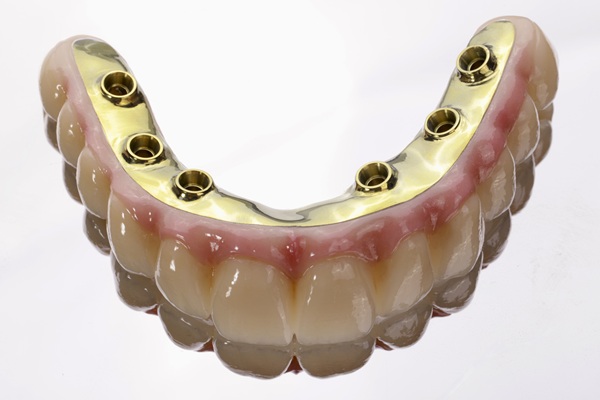
Implant-supported dentures offer a secure, long-lasting solution for those seeking enhanced comfort and function after tooth loss. Unlike traditional dentures that rest on top of the gums, these restorations attach to titanium posts anchored in the jawbone. Understanding how implant-supported dentures work, the advantages they offer, and how to care for them can help patients become active partners throughout treatment.
Comparing implant-supported dentures to traditional dentures
Implant-supported dentures use titanium posts that fuse with the jawbone to support a full or partial denture. Unlike conventional dentures that rest on the gums, this option secures the prosthesis directly to the bone. The result is a more natural feel and improved bite function.
This approach appeals to patients seeking a stronger and more stable fit. It reduces common complaints such as slipping dentures, sore spots, or difficulty chewing. Depending on individual needs, the dentist may recommend a removable or a fixed option. Both types rely on the same foundation—properly placed dental implants—to restore full-mouth function.
Determining implant-supported dentures candidacy
Due to the somewhat strenuous process involved in receiving implant-supported dentures, the ideal candidate will live a nicotine- and tobacco-free life, as these substances slow healing and greatly increase the chances of implant failure. They will also be free from underlying medical conditions that impact healing, such as untreated diabetes, autoimmune diseases, cancer, etc.
Further, patients need to be in good oral health, meaning they must be free of periodontal disease and other infections. They will also need sufficient gum tissue surrounding the surgical site and sufficient jawbone density. Note that in most cases, the dentist can perform or refer patients who lack sufficient gum tissue or bone density to a specialist for a grafting procedure, which increases their odds of being approved as candidates.
Understanding the implant-supported dentures process
After approval, patients need to know that the implant-supported dentures process spans several months and occurs in stages. While timelines vary for each patient, here is what patients can expect during each stage:
- Osseointegration. The jawbone and implant posts take three to six months to fuse together.
- Abutment placement. The dentist reopens the gum tissue to attach the abutment, which acts as an anchor for the denture, to the titanium posts.
- Healing. Another healing phase ensues, lasting only a few weeks, which is enough time for the denture to be fabricated in an off-site lab.
- Denture attachment. Patients return for their final appointment so the dentist can remove any temporary restorations and bond the permanent denture to the abutment.
The entire process may take several months from start to finish, but the results provide a solid, lifelike solution for missing teeth.
Benefits that go beyond appearance
Patients who choose implant-supported dentures often experience a noticeable improvement in their daily comfort and function. These restorations offer several long-term advantages:
- Jawbone stimulation. Implant-supported dentures help maintain bone structure, preventing the shrinkage that often follows tooth loss.
- Stable speech and chewing. Since they do not shift like traditional dentures, implant-supported options improve speech clarity and provide access to a wider variety of foods.
- No need for adhesives. The denture stays firmly in place without the need for temporary adhesives.
Beyond physical improvements, many individuals also report emotional benefits. A restored smile can help enhance self-esteem and contribute to a more active social life.
Daily care and maintenance tips
Caring for implant-supported dentures requires consistent attention, much like caring for natural teeth. While the restorations do not decay, the bone and soft tissues depend on healthy habits to stay strong. Essential hygiene practices include brushing at least twice daily with a soft toothbrush or a specialty cleaning tool and using an antimicrobial rinse to reduce bacterial buildup around the base of the restoration. Patients should also be sure to visit the dentist regularly for professional cleanings and examinations to ensure their implant-supported dentures remain stable and there is no excessive wear or damage..
Schedule a consultation
Implant-supported dentures combine advanced technology with a natural-looking design to provide a functional and attractive solution for tooth replacement. By choosing this restoration, it supports your long-term oral health, improves bite strength, and enhances comfort throughout daily life If you are interested in learning if you are a candidate for this restoration, contact us and schedule a consultation.
Request an appointment here: https://www.biancodentistry.com or call Dental Health Associates, PC at (503) 862-3270 for an appointment in our Portland office.
Check out what others are saying about our dental services on Yelp: Implant Supported Dentures in Portland, OR.
Related Posts
If your dentures don't fit anymore or have some missing teeth, you need a denture reline to make them fit and look good again. Denture relining is the best option if you have weak or damaged teeth that cannot be used as anchors to retain your dentures. If you have natural teeth, the dentist will…
You may have to send your dentures to a laboratory during a denture repair depending on the type and severity of the concern that is being addressed. This review discusses when a denture repair requires a laboratory’s assistance in ensuring the quality of the dentures at the completion of the denture repair.A minor denture repair…
An article by GlaxoSmithKline Consumer Healthcare states that more than 18 million people wear partial dentures. Anyone who has been considering getting partials to improve their speech, ability to chew, and even their appearance is not alone. It helps to have the proper information beforehand, though. Partials are created from a wide variety of materials, each…
Partial dentures are often recommended by dentists to replace a single missing tooth or a section of missing teeth. They are a relatively affordable solution that offers unique benefits. This review discusses the reasons a dentist may recommend partial dentures for a patient. Partial dentures can help patients improve their smile and confidence, prevent teeth…